Welcome to NANOOS, the Pacific Northwest regional ocean observing system of IOOS (Integrated Ocean Observing System), an integrated network of regional systems.
NANOOS is creating customized information and tools for Washington, Oregon, and Northern California with these areas of emphasis:
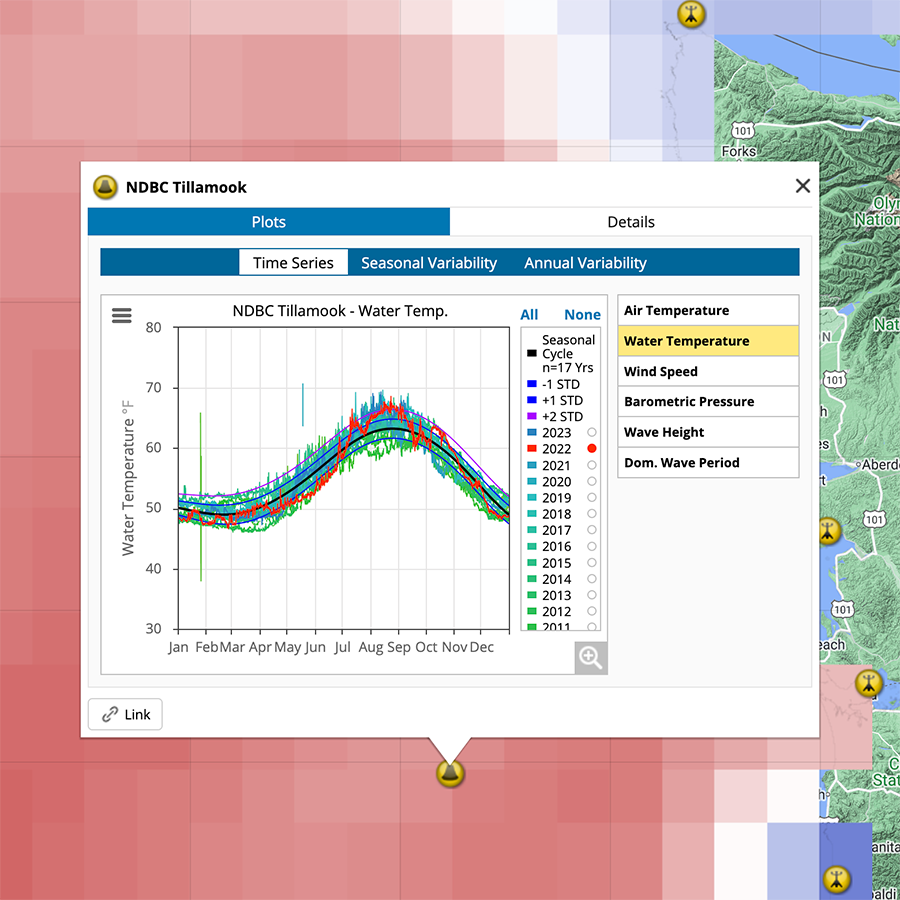
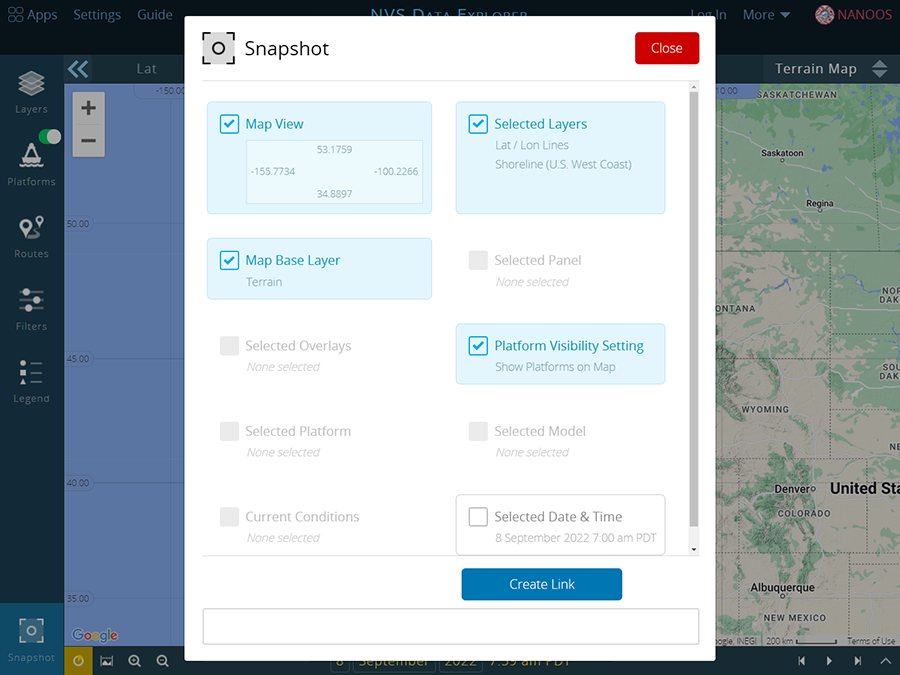
Announcing the NANOOS Visualization System (NVS), your tool for easy access to data. NVS gathers data across a wide range of assets such as buoys, shore stations, and coastal land-based stations. Never before available downloads and visualizations are provided in a consistent format. You can access plots and data for almost all in-situ assets for the previous 30-day period. Try NVS and let us know what you think.
Welcome to the inaugural edition of the NANOOS Observer, your update for new products, news items,
and ocean-related issues affecting the NANOOS region of the Integrated Ocean Observing System.
NANOOS member, CMOP, an NSF Science and Technology Center, seeks to shift from "reactive" to "anticipatory" science by taking advantage of the inherent power of structured integrations of information, methods and people: "collaboratories". The newsletter Coastal Margin Perspectives provides updates on the center’s activities in research, education and knowledge transfer.
NANOOS works with the Oregon Department of Geology and Mineral Industries and Oregon Emergency Management to implement a Google interactive map interface for accessing tsunami evacuation maps for the Oregon coast. Next steps include working with Washington emergency officials to integrate evacuation maps developed for the Washington Coast
One of NANOOS' newest members is VENUS. VENUS is a cabled ocean observatory in British Columbia, Canada, designed as an undersea laboratory for ocean researchers. Through their website, you can examine their research and see live ocean data. NANOOS is pleased to partner with VENUS so that ocean data and understanding can be shared internationally
The Pacific Coast Ocean Observing System of the California current Large Marine Ecosystem (PaCOOS) offers quarterly summaries of the climatic and ecological observing-related activities along the CA Current.
NOAA is studying the growing problem of increased carbon dioxide (CO2) in the ocean by collecting real-time data through a variety of efforts to determine what's happening to seawater chemistry due to ocean acidification and its impact on organisms that live in the ocean as well as the possible social and economic effects.
The experimental nowcast and forecast fields are produced by a computer model of the Oregon coastal ocean circulation. These forecasts are updated daily.
Maps show daily averages of ocean surface currents off the Oregon coast. Measured with a radio transmitter and receiver, using the SeaSonde, these currents are made by CODAR Ocean Sensors.
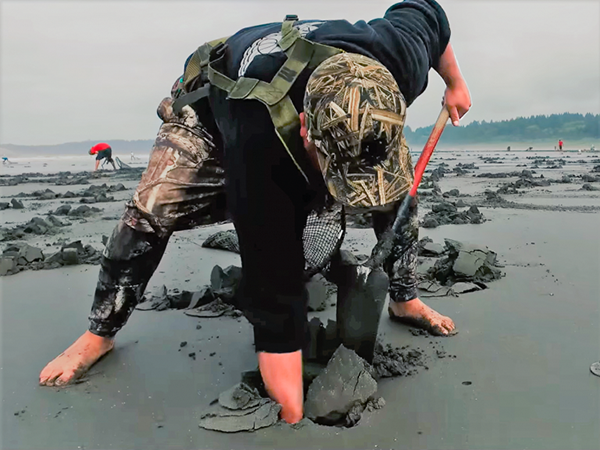
Maps of beaches in the Puget Sound Region that are closed to harvesting of shellfish because of biotoxin levels. The Washington State Biotoxin Program monitors biotoxins in molluscan shellfish, closing harvest areas when high levels pose a threat to public health.